Create a box around a lift station on a civil plane and it’s easy to imagine it as a fully-functional piece of equipment.
In actuality, water is brought in from somewhere, runs through the station and is carried on to somewhere else. Power, controls access to the site as well as connections to the surrounding infrastructure are also important.
When looking for the best lift station designers, it is helpful to inquire whether the engineers take into account those interfaces as well as the happens inside the station.
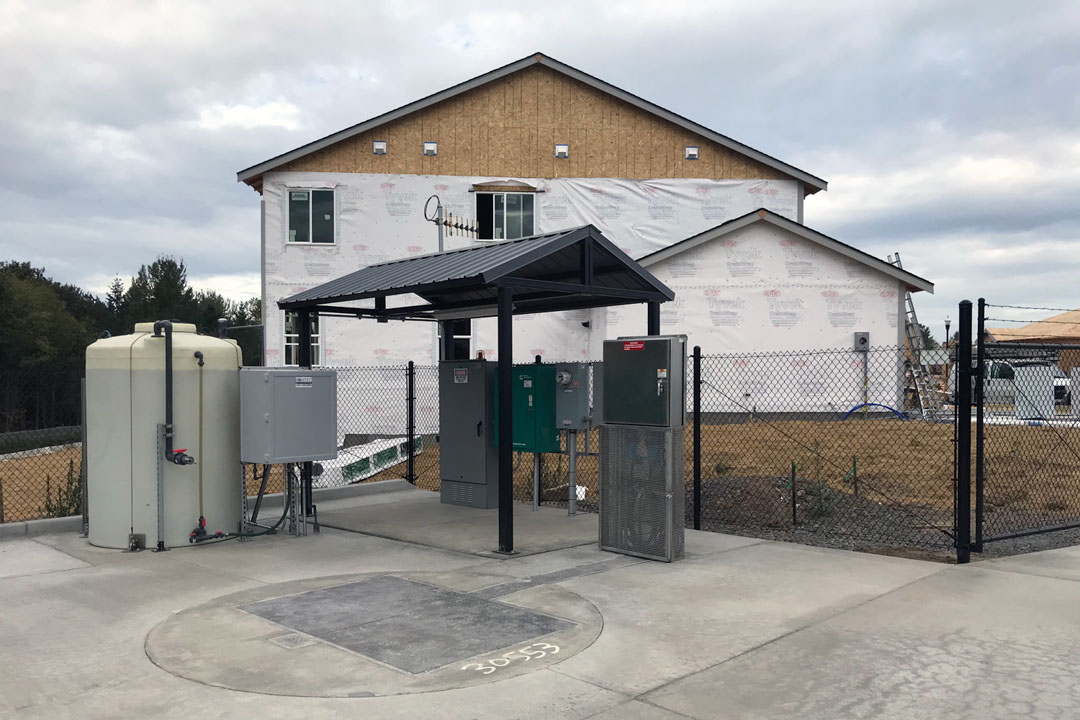
Image credit: romtecutilities.com
Begin to ascend the river from the Wet Well
Let us take a brand new residential development as an example. The waste water flows through the collection systems and eventually the lift station. The elevation of the station and the inbound conditions of flow determine how much the station is capable of handling.
As soon as wastewater reaches the level of a well that is wet the new set of decisions in engineering is made. Pumps, piping, valves and controls, structural elements and possibly the equipment used for auxiliary purposes must meet the purpose.
Romtec Utilities engineers wastewater systems specifically for individual sites, including industrial, commercial, municipal and development.
This project-specific approach is crucial because altering what happens downstream can change what the pumping facility must accomplish.
Follow the Water Beyond the Pumps
The engineering problem does not end after the liquid is removed from the wetwell. The pumping systems have to be capable of pushing the liquid in line with the hydraulic requirements of downstream systems. The configuration of the pump and requirements for flow are influenced by the flow requirements and required head conditions.
That connection is particularly important when evaluating the best wastewater designers. It’s not enough for a pump to have impressive specs on its own. It must also perform well within the hydraulic system.
Romtec Utilities is able to conceptualize all the parts that comprise the pumping plant, which includes the structure as well as the mechanical, electrical, and the communications as a whole. This makes it easier to coordinate the equipment required for the project.
Stormwater is a unique network of Connections
Stormwater presents a different infrastructure puzzle. Runoff may enter a collection system through a surface that has been developed and flow through detention, treatment, drainage, or flood-management infrastructure. The station functions as a bridge in the larger stormwater strategy in the event that pumping is required.
It is crucial for companies seeking the most efficient stormwater engineers to take into account the specific conditions on the site, the rate of flow, the head specifications, environmental factors as well as the plans for stormwater management.
Romtec Utilities offers customized stormwater pumps for residential, industrial commercial, municipal and residential projects, rather than making use of a standard configuration.
Coordination Extends Above Ground Too
Some interfaces do not require piping. Electrical service is essential to support equipment. Control and communications systems must be adapted to the requirements of the project. Contractors must have plans and documentation. Installation, startup, and service may require physical access.
This could be a challenging project with multiple participants and disciplines, so an organized system documentation is crucial. Romtec Utilities provides complete plan sets as well as associated documentation for projects and is able to support its systems through starting, testing, and commissioning.
See Beyond the Station Boundary
A lift station can be properly designed as an independent facility but remain part of a poorly coordinated project if its connections to the outside weren’t given sufficient attention.
A more logical design approach takes into account the water. Where did it come from? Under what conditions does it get to the station? What happens when it’s there? Where will it go? What infrastructure is needed for the entire process function?
These answers change the concept of lift stations from an easy equipment exercise to a complicated infrastructure task.