In the past, making a quality 3D assets required a mix of technical proficiency, artistic talent as well as a lot of time. Designers had to manually create sculpts and apply textures, alter lighting, and create files for various platforms. Nowadays, artificial intelligence is reshaping this process. Modern tools powered by AI can be used to make 3D models quickly. It is common for them to start with a text prompt or just a picture.
This new feature makes 3D design accessible to both novices and professionals, allowing to produce more quickly and more imaginative experimentation.
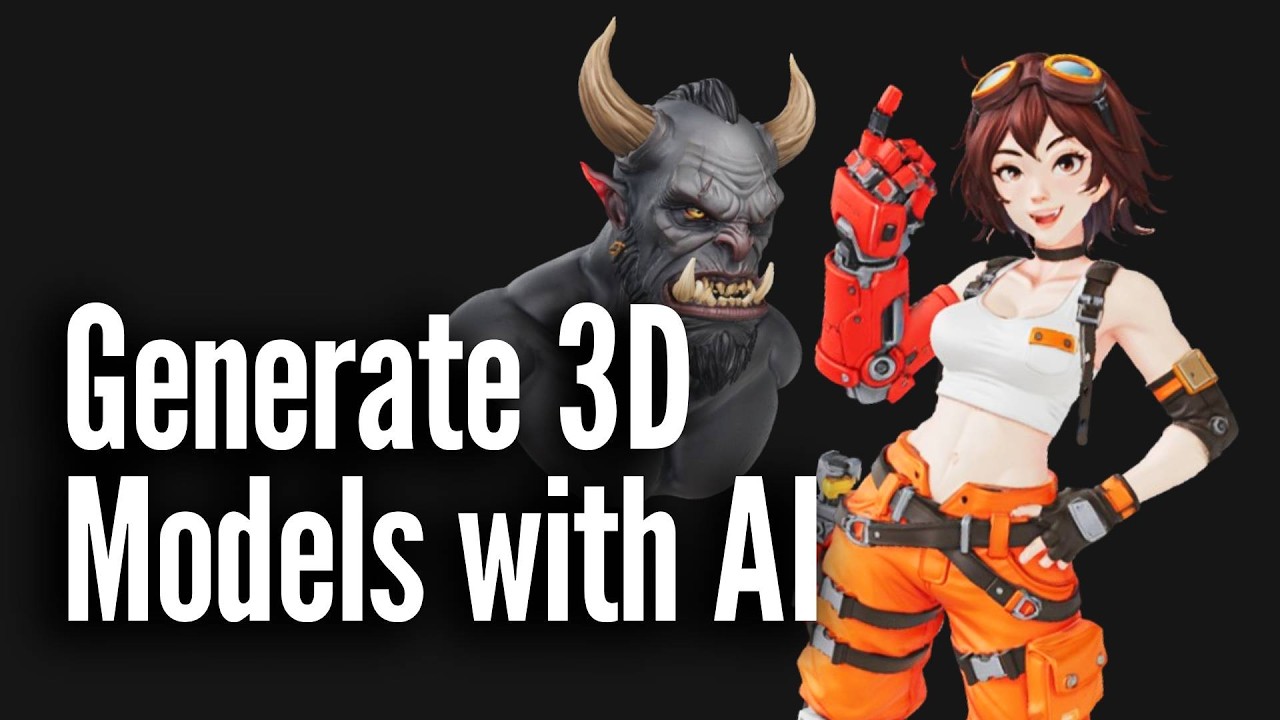
From Image to 3D Model in Minutes
Image to 3D Model technology is among of the hottest advances in this area. Instead of creating objects from scratch intelligence analyzes an image, identifies shapes and depths, and then reconstructs them into a fully accessible 3D model.
This feature is highly beneficial for industries that require speed and a high degree of visual accuracy. Architects can view structures before they begin construction, while designers for products and game developers can quickly develop prototypes. Even marketers and educators are realizing the benefits of turning visual concepts in to interactive 3D content.
Time savings are substantial. The time savings are significant.
AI 3D modeling is growing in popularity
The demand for AI 3D model tools continues to grow because they simplify complex workflows. Artificial intelligence systems trained on huge datasets can produce realistic shapes and materials while ensuring consistency and accuracy.
This speed doesn’t only enhance productivity, it also stimulates creativity. Designers can try multiple versions of a concept within a short period, compare results, and then choose the most efficient option. This speedy iteration is vital in industries such as film production, virtual realities, advertising and ecommerce visualization.
Another benefit is the accessibility. Many modern platforms are designed so that people with little or no background in 3D design are able to create professional-quality assets.
Integration seamless into professional workflows
Compatibility is as important to professionals as speed. Modern AI platforms that support 3D models are designed to seamlessly integrate existing pipelines. The models can be exported in widely supported formats like FBX and OBJ. They’re also compatible with rendering software and 3D printing systems.
Asset libraries that are organized have a crucial role to play in making sure that production is efficient. The ability to store every model created in a searchable database helps teams to keep their projects organized and manageable. The process of filtering tags and downloading large files and easily regaining previous versions are every way to speed up the process.
Security and privacy options are also becoming standard which allows creators to keep their generated assets secure and ready to use immediately in commercial or creative projects.
Control and precision with AI Tools
Many people believe that 3D modeling AI is a method to automatize the process. However the latest AI often comes with precise adjustment tools. Users can set exact measurements, identify pivot points, and ensure that the proper position of objects is achieved in scenes. These are vital features for simulation, animation, and architectural visualization, where precision is crucial.
Artificial Intelligence can also be used to create realistic-looking textures. This allows artists to create materials more quickly. This means that there is no need to paint by hand while maintaining high-end quality appearance.
Look Ahead at the Future of 3D Model AI
As artificial intelligence continues to advance, the possibilities for 3D model AI will expand even more. Advanced systems will be able to build complete environments, optimize assets automatically and modify models for various platforms without any additional steps.
Platforms designed specifically for this purpose are demonstrating how powerful they can be. 3D AI Studio, the ultimate 3D asset studio, is this new generation of software designed to simplify workflows, speed up creation, and allow creators to go from an idea or conception to a fully-formed model in a short amount of time.
Conclusion
The ability to transition from the idea stage to a finished product in a short time has revolutionized the way digital content is produced. Creators no longer have to be constrained to manual workflows. With the help of advanced AI 3D modeling tools and the ability to convert images into 3D models They can go from concept to finished asset in a short time.
As technology improves, they’ll play a bigger impact on the industries, including gaming, entertainment, engineering and education. This will result in 3D creation of high quality quicker, more sophisticated and more accessible than ever.